Dissertation Structure Tips: The Ultimate Guide to Organizing Your Dissertation
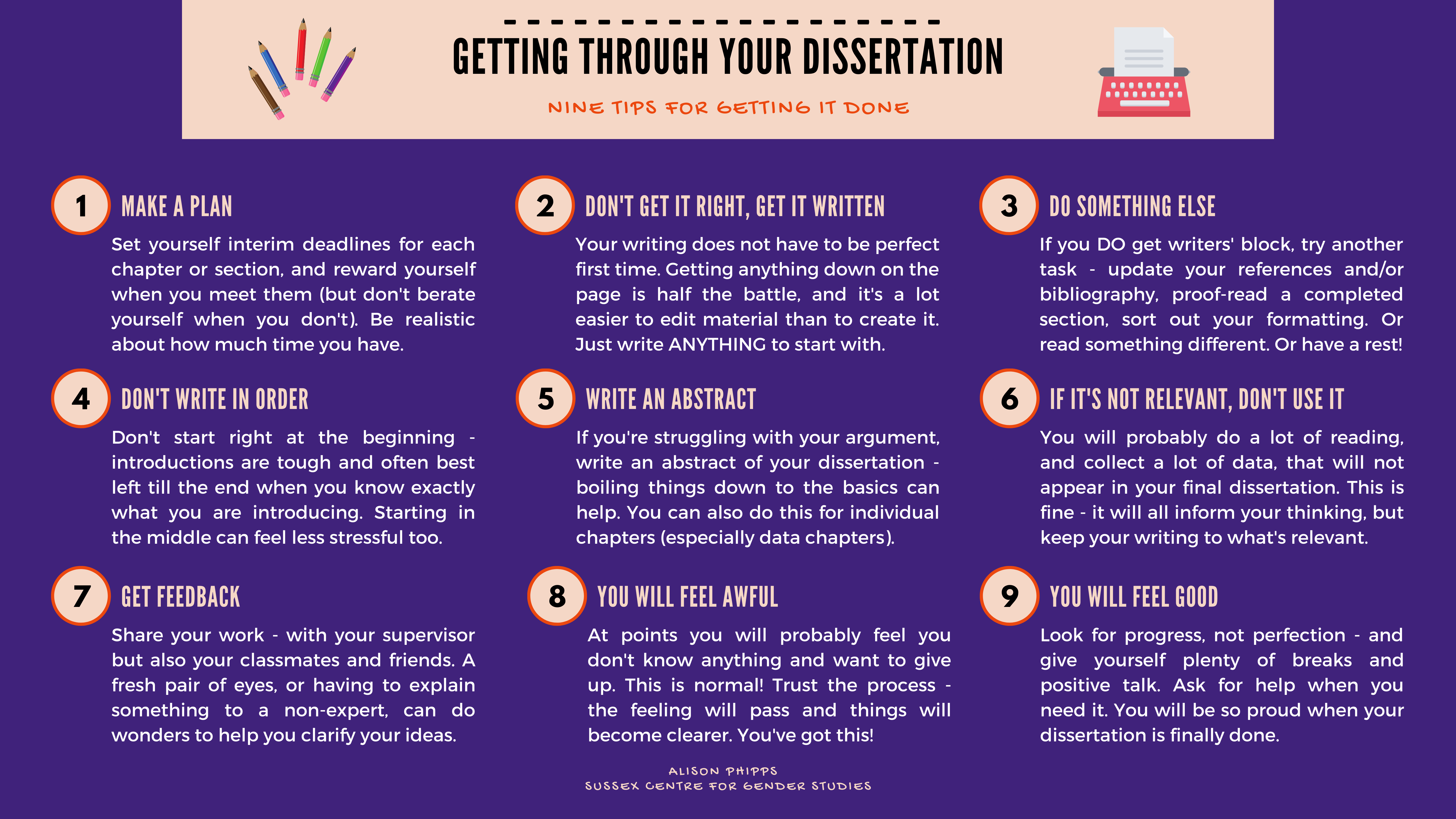
Writing a dissertation is one of the most challenging academic tasks you will face, but a clear structure can make the process manageable and your research more compelling. Following the right dissertation structure tips ensures that your work is organized, logical, and easy to follow. This guide provides a detailed breakdown of each section, common mistakes to avoid, and best practices for presenting your research effectively.
A well-structured dissertation allows readers to understand your research journey from start to finish. Without proper organization, even groundbreaking research can appear confusing or incomplete. Key benefits of a strong structure include:
Clarity: Helps readers follow your arguments and methodology.
Logical flow: Ensures that each chapter naturally leads to the next.
Academic credibility: Demonstrates your ability to conduct structured, rigorous research.
Pro Tip: Think of your dissertation as a story. Each section should build upon the previous one, guiding your readers through your research process.
2. Writing an Effective Introduction
The introduction is the first impression readers will have of your dissertation. It should provide context, state your research objectives, and outline the structure of your study. Key elements include:
Background Information: Give context about the topic and explain why it matters.
Research Problem or Question: Clearly define what your study aims to address.
Objectives and Hypotheses: Specify what your research intends to achieve.
Scope and Limitations: Highlight the boundaries of your study.
Dissertation structure tip: Keep the introduction concise but comprehensive. Avoid including detailed data or results here—save them for later sections.
3. Conducting a Thorough Literature Review
The literature review demonstrates your understanding of existing research and situates your study within a broader academic context. It should highlight what is already known and identify gaps that your research will fill.
Key Steps for a Strong Literature Review:
Identify Key Theories: Summarize foundational concepts and frameworks.
Review Recent Studies: Focus on the most relevant and up-to-date research.
Highlight Gaps: Identify areas that require further investigation.
Organize Logically: Consider a thematic, chronological, or methodological structure.
Pro Tip: Use a reference management tool like Zotero or Mendeley to keep track of sources and avoid citation errors.
4. Designing a Clear Methodology
The methodology explains how you conducted your research and why your approach is valid. A well-documented methodology builds trust in your findings.
Elements to Include:
Research Design: Qualitative, quantitative, or mixed-methods approach.
Data Collection Methods: Surveys, interviews, experiments, or archival research.
Sampling Techniques: Explain how participants or data sources were chosen.
Data Analysis: Describe statistical or thematic analysis methods.
Ethical Considerations: Mention consent, confidentiality, and ethical approvals.
Dissertation structure tip: Be transparent and detailed. Readers should be able to replicate your study based on your methodology description.
5. Presenting Results Clearly
The results section focuses on reporting your findings without interpretation. Clarity is essential to ensure your readers understand your data.
Tips for an Effective Results Section:
Use Visuals: Charts, graphs, and tables help convey complex data.
Organize by Research Question: Present findings in the order they were introduced.
Be Objective: Avoid interpreting results in this section; save analysis for the discussion.
Pro Tip: Include only relevant data. Extraneous information can confuse readers and dilute your arguments.
6. Analyzing and Discussing Findings
The discussion section interprets your results, linking them back to your research questions and literature review. This is where you explain the significance of your findings.
Discussion Guidelines:
Compare with Previous Research: Highlight similarities or discrepancies.
Explain Unexpected Findings: Provide possible reasons for surprising results.
Link to Theory: Show how your results support or challenge existing theories.
Practical Implications: Discuss how your findings could influence real-world practices.
Dissertation structure tip: Maintain a balanced tone. Avoid overstating your results while emphasizing their importance.
7. Crafting a Strong Conclusion
The conclusion summarizes your research and highlights its contribution. It should be concise, insightful, and forward-looking.
Key Components:
Summary of Key Findings: Briefly recap your main results.
Research Contributions: Explain how your study advances knowledge in your field.
Limitations: Honestly acknowledge any constraints.
Recommendations for Future Research: Suggest areas where further studies could build on your work.
Pro Tip: Avoid introducing new data or arguments in the conclusion. Keep the focus on synthesis and reflection.
8. Referencing and Appendices
Proper referencing ensures academic integrity and helps readers locate your sources.
Best Practices:
Follow Citation Style: Use APA, MLA, Harvard, or your institution’s required style.
Include All Sources: Ensure every in-text citation has a corresponding reference entry.
Use Appendices Wisely: Include supplementary materials like questionnaires, raw data, or extended tables.
Dissertation structure tip: Appendices should support your research but not interrupt the main narrative.
Use Headings and Subheadings: Improves readability and navigation.
Maintain Logical Flow: Ensure each chapter builds naturally on the previous one.
Proofread Thoroughly: Grammar and formatting errors can undermine credibility.
Follow Institutional Guidelines: Stick to word count limits, formatting, and submission requirements.
Plan Your Time: Allocate sufficient time for writing, revising, and proofreading.
10. Common Mistakes to Avoid
Even well-researched dissertations can lose impact due to poor structure. Avoid these pitfalls:
Skipping the Outline: Jumping into writing without planning leads to disorganized content.
Overloading the Literature Review: Avoid turning it into a summary of every study; focus on relevance.
Confusing Results and Discussion: Keep reporting and interpretation separate.
Ignoring Formatting Rules: Inconsistent fonts, margins, and headings can distract readers.
Neglecting Proofreading: Typos and grammatical errors reduce professionalism.
To implement these dissertation structure tips effectively:
Create a Chapter Outline: Plan what each section will cover.
Set Milestones: Break writing into manageable stages.
Regularly Consult Supervisors: Feedback helps refine structure and content.
Use Writing Tools: Grammarly, Hemingway, and reference managers streamline the process.
Revise Multiple Times: Focus on clarity, logic, and argument strength.
12. Final Thoughts
A dissertation is not just about research; it’s about communicating your findings effectively. By following these dissertation structure tips, you can:
Organize your work logically
Enhance readability
Strengthen academic credibility
Improve chances of achieving higher grades
Remember, a well-structured dissertation makes your research accessible and impactful. Plan carefully, follow a logical sequence, and pay attention to detail, and your dissertation will stand out as a polished, professional piece of scholarship.