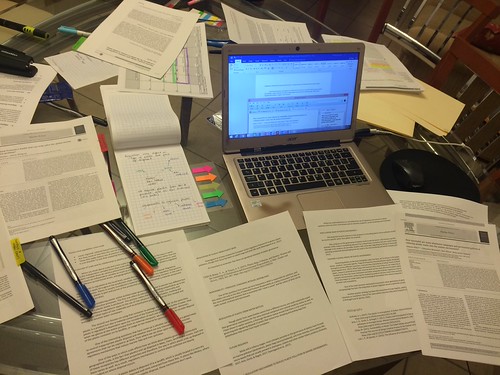
Research Proposal Development: A Complete Guide to Writing Winning Proposals
Introduction to Research Proposal Development
Research proposal development is a critical process in academic, scientific, and professional research. A well-crafted research proposal outlines your study’s objectives, methodology, significance, and expected outcomes. Whether you’re applying for funding, academic approval, or project sponsorship, developing a strong research proposal is essential to gaining support and approval.
Research proposal development is not just about writing; it involves planning, structuring, and presenting ideas clearly to demonstrate the feasibility and value of your research. Many students, scholars, and professionals struggle with proposal writing due to lack of clarity on format, research design, and justification.
This comprehensive guide explores the process of research proposal development, key components, best practices, and tips to help you create an impactful proposal that stands out.
What is Research Proposal Development?
Research proposal development refers to the systematic preparation of a document that describes a research project before it begins. It explains what the researcher intends to study, why the study matters, and how it will be conducted.
A research proposal serves several important purposes:
- Defines the research problem clearly
- Demonstrates knowledge of the subject area
- Outlines research methods
- Justifies the significance of the study
- Secures approval or funding
In academic settings, research proposal development is required for theses, dissertations, and grant applications. In professional settings, it is used to plan research projects and seek sponsorship.
Importance of Research Proposal Development
Effective research proposal development plays a crucial role in determining the success of research projects. A strong proposal communicates confidence, competence, and clarity.
Key Benefits of Research Proposal Development
1. Clarifies Research Direction
Developing a proposal forces researchers to clearly define their research questions, objectives, and hypotheses. This clarity reduces confusion during later stages.
2. Helps Secure Funding
Funding organizations rely heavily on proposals to evaluate project feasibility. A strong research proposal increases the chances of receiving grants and sponsorship.
3. Improves Research Planning
Research proposal development encourages careful planning of:
- Research timeline
- Data collection methods
- Resources required
- Budget allocation
4. Demonstrates Academic Readiness
Academic institutions assess proposals to determine whether students are prepared to conduct independent research.
Key Components of Research Proposal Development
Understanding the core components of a proposal is essential for successful research proposal development.
1. Title of the Research
The title should be:
- Clear
- Concise
- Specific
- Informative
Example:
“The Impact of Digital Learning Tools on Student Academic Performance in Higher Education.”
A strong title immediately communicates the research focus.
2. Introduction
The introduction sets the context of the research. It provides background information and introduces the research problem.
Key elements include:
- Background of the study
- Context of the research
- Research problem statement
- Purpose of the study
The introduction should gradually lead the reader toward understanding why the research is necessary.
3. Problem Statement
The problem statement identifies the issue your research aims to address.
It should:
- Clearly define the problem
- Explain why it matters
- Highlight existing gaps in knowledge
Example:
“Despite increased use of online learning platforms, there is limited research on their long-term impact on student engagement in developing countries.”
4. Research Objectives
Research objectives define what the study aims to achieve.
Objectives should be:
- Specific
- Measurable
- Achievable
- Relevant
- Time-bound (SMART)
Example:
- To examine the effectiveness of digital tools in improving student performance
- To analyze student engagement patterns
- To identify challenges in online learning implementation
5. Research Questions or Hypotheses
Research questions guide the direction of the study.
Examples:
- What impact do digital learning tools have on student performance?
- How do students perceive online learning environments?
Hypotheses are used in quantitative studies.
Example:
“H1: Digital learning tools significantly improve academic performance.”
6. Literature Review
The literature review summarizes previous research related to the topic.
It demonstrates:
- Understanding of existing knowledge
- Identification of research gaps
- Justification for your study
A strong literature review strengthens research proposal development by showing that your research builds upon credible evidence.
7. Research Methodology
The methodology section explains how the research will be conducted.
Key components include:
Research Design
Examples:
- Qualitative research
- Quantitative research
- Mixed-methods research
Data Collection Methods
Common methods include:
- Surveys
- Interviews
- Observations
- Experiments
Sampling Techniques
Sampling defines who will participate in the study.
Examples:
- Random sampling
- Stratified sampling
- Purposive sampling
Data Analysis Methods
Examples:
- Statistical analysis
- Thematic analysis
- Content analysis
A clear methodology increases the credibility of the research proposal.
8. Significance of the Study
This section explains why the research matters.
It should describe:
- Contributions to knowledge
- Practical implications
- Policy relevance
- Social benefits
Effective research proposal development highlights the value and impact of the research.
9. Research Timeline
A timeline outlines the schedule for completing research tasks.
Typical phases include:
- Literature review
- Data collection
- Data analysis
- Report writing
Using a Gantt chart can help visualize the timeline.
10. Budget (If Required)
Some proposals require a detailed budget.
Budget items may include:
- Equipment
- Travel expenses
- Research materials
- Personnel costs
Transparency in budgeting builds trust with funding organizations.
11. References
The references section lists all sources cited in the proposal.
Common referencing styles include:
- APA
- MLA
- Harvard
- Chicago
Accurate referencing strengthens the credibility of the research.
Steps in Research Proposal Development
Successful research proposal development involves following a structured process.
Step 1: Identify a Research Topic
Choose a topic that is:
- Interesting
- Relevant
- Researchable
- Significant
Selecting the right topic lays the foundation for successful research.
Step 2: Conduct Preliminary Research
Review existing literature to understand:
- What is already known
- What gaps exist
- What questions remain unanswered
This step helps refine your research focus.
Step 3: Define Research Questions
Clear research questions guide the direction of the proposal.
Strong research questions are:
- Specific
- Focused
- Researchable
Step 4: Develop a Research Plan
This includes:
- Research design
- Methods
- Data collection strategy
Planning ensures smooth research execution.
Step 5: Draft the Proposal
Write each section carefully.
Focus on:
- Clarity
- Logical flow
- Academic tone
Avoid unnecessary complexity.
Step 6: Review and Revise
Editing is a crucial stage in research proposal development.
Check for:
- Grammar errors
- Logical consistency
- Formatting accuracy
- Referencing correctness
Peer review can improve proposal quality.
Best Practices for Research Proposal Development
Following best practices increases the likelihood of approval.
1. Keep the Proposal Clear and Concise
Avoid lengthy explanations that distract from the main point.
Use:
- Short paragraphs
- Simple language
- Clear headings
2. Focus on the Research Problem
The research problem should remain central throughout the proposal.
Ensure that:
- All sections support the research objectives
- Arguments remain consistent
3. Use Credible Sources
Use peer-reviewed journals and academic publications.
Avoid unreliable sources.
4. Follow Guidelines Strictly
Different institutions have specific formatting requirements.
Always check:
- Word limits
- Referencing style
- Structure guidelines
5. Demonstrate Feasibility
Explain how the research can realistically be completed.
Include:
- Available resources
- Time constraints
- Access to participants
Common Challenges in Research Proposal Development
Many researchers face difficulties during research proposal development.
1. Choosing a Research Topic
Some researchers struggle to identify a meaningful topic.
Solution:
- Explore current trends
- Consult academic supervisors
- Review recent publications
2. Writing the Literature Review
Finding relevant sources can be challenging.
Solution:
- Use academic databases
- Take detailed notes
- Organize references early
3. Designing Methodology
Selecting appropriate research methods can be difficult.
Solution:
- Study similar research
- Seek expert advice
- Test feasibility beforehand
4. Managing Time
Proposal writing requires careful scheduling.
Solution:
- Create deadlines
- Break tasks into smaller steps
- Monitor progress regularly
Tips for Writing a Successful Research Proposal
Here are expert tips to enhance research proposal development.
Tip 1: Start Early
Allow enough time for research, drafting, and revisions.
Avoid last-minute writing.
Tip 2: Use Simple Language
Avoid overly complex vocabulary.
Clarity is more important than complexity.
Tip 3: Maintain Logical Flow
Each section should connect smoothly to the next.
Use transitions where necessary.
Tip 4: Support Arguments with Evidence
Use credible references to strengthen claims.
Avoid unsupported statements.
Tip 5: Edit Multiple Times
Editing improves readability and professionalism.
Proofread carefully before submission.
Tools for Effective Research Proposal Development
Several tools can improve efficiency during proposal writing.
Reference Management Tools
Examples:
- Zotero
- EndNote
- Mendeley
These tools help organize citations and references.
Writing Tools
Helpful tools include:
- Grammar checkers
- Plagiarism detectors
- Formatting software
These tools ensure accuracy and originality.
Data Analysis Tools
Examples:
- SPSS
- Excel
- NVivo
They assist in planning data analysis strategies.
Role of Professional Services in Research Proposal Development
Many individuals seek professional help for research proposal development.
Professional services provide:
- Topic selection assistance
- Literature review support
- Proposal editing
- Formatting guidance
These services are particularly helpful for complex research projects.
Research Proposal Development for Different Fields
Research proposals vary across disciplines.
Academic Research
Includes:
- Undergraduate projects
- Master’s theses
- Doctoral dissertations
Focus is on theoretical contribution.
Scientific Research
Often requires:
- Experimental design
- Laboratory procedures
- Data analysis plans
Precision is essential.
Business Research
Focuses on:
- Market trends
- Consumer behavior
- Organizational strategies
Practical outcomes are emphasized.
Social Science Research
Common methods include:
- Surveys
- Interviews
- Observational studies
Focus is on human behavior.
Future Trends in Research Proposal Development
Modern technology is transforming research proposal development.
Use of Artificial Intelligence
AI tools assist with:
- Literature search
- Grammar correction
- Data analysis
This improves efficiency and accuracy.
Digital Collaboration
Online platforms enable collaborative research planning.
Researchers can:
- Share documents
- Provide feedback
- Track progress
Data-Driven Research Planning
Advanced analytics tools help researchers make informed decisions.
This increases research reliability.
Conclusion
Research proposal development is a vital step in successful research planning. A well-structured proposal demonstrates clarity, credibility, and feasibility. By understanding the key components, following structured steps, and applying best practices, researchers can create proposals that effectively communicate their ideas and secure approval or funding.
Whether you are a student, academic researcher, or professional, mastering research proposal development enhances your ability to design meaningful studies and contribute valuable knowledge to your field.