Table of Contents
ToggleThesis Writing Management Tools: The Ultimate Guide for Efficient Academic Research
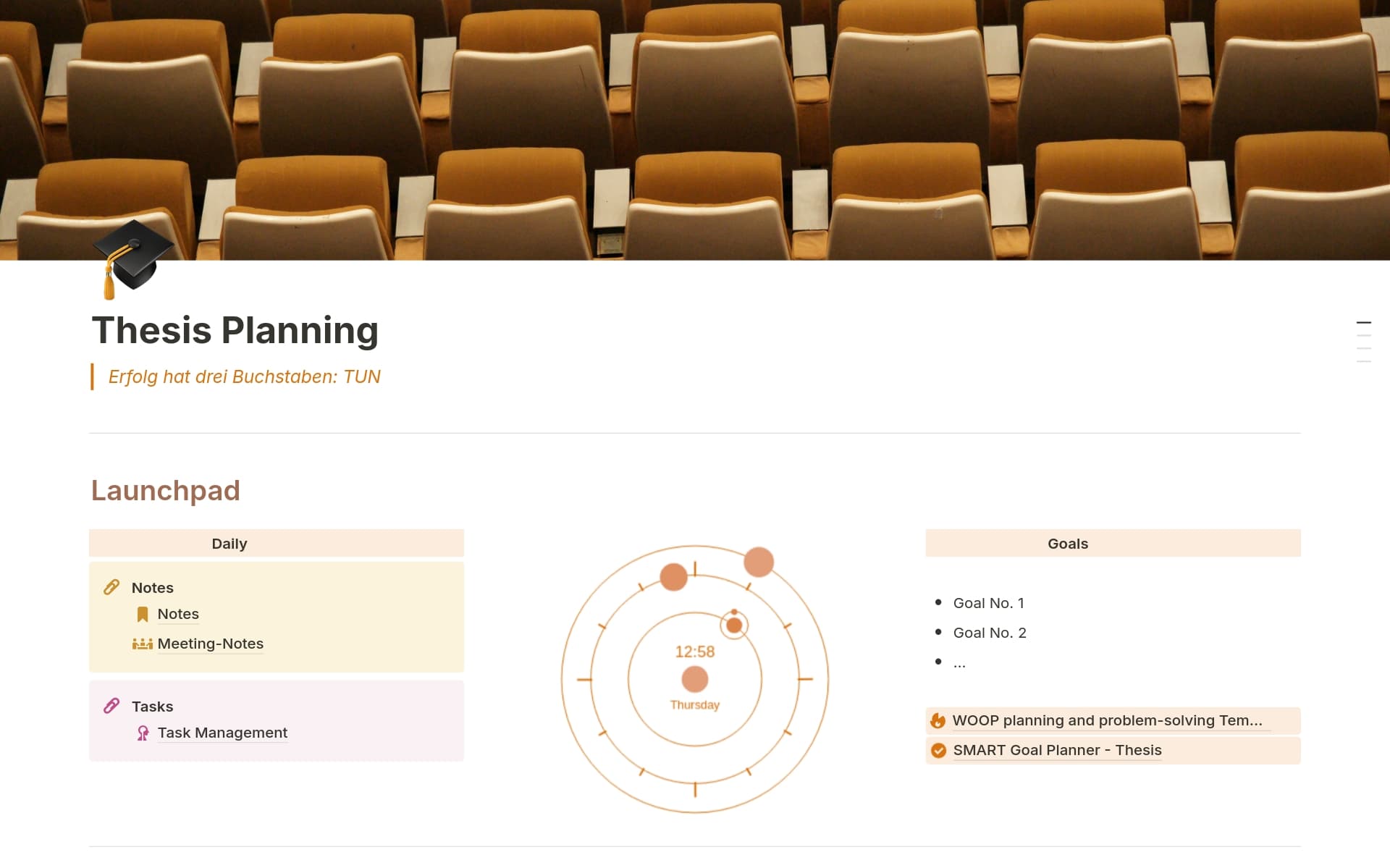

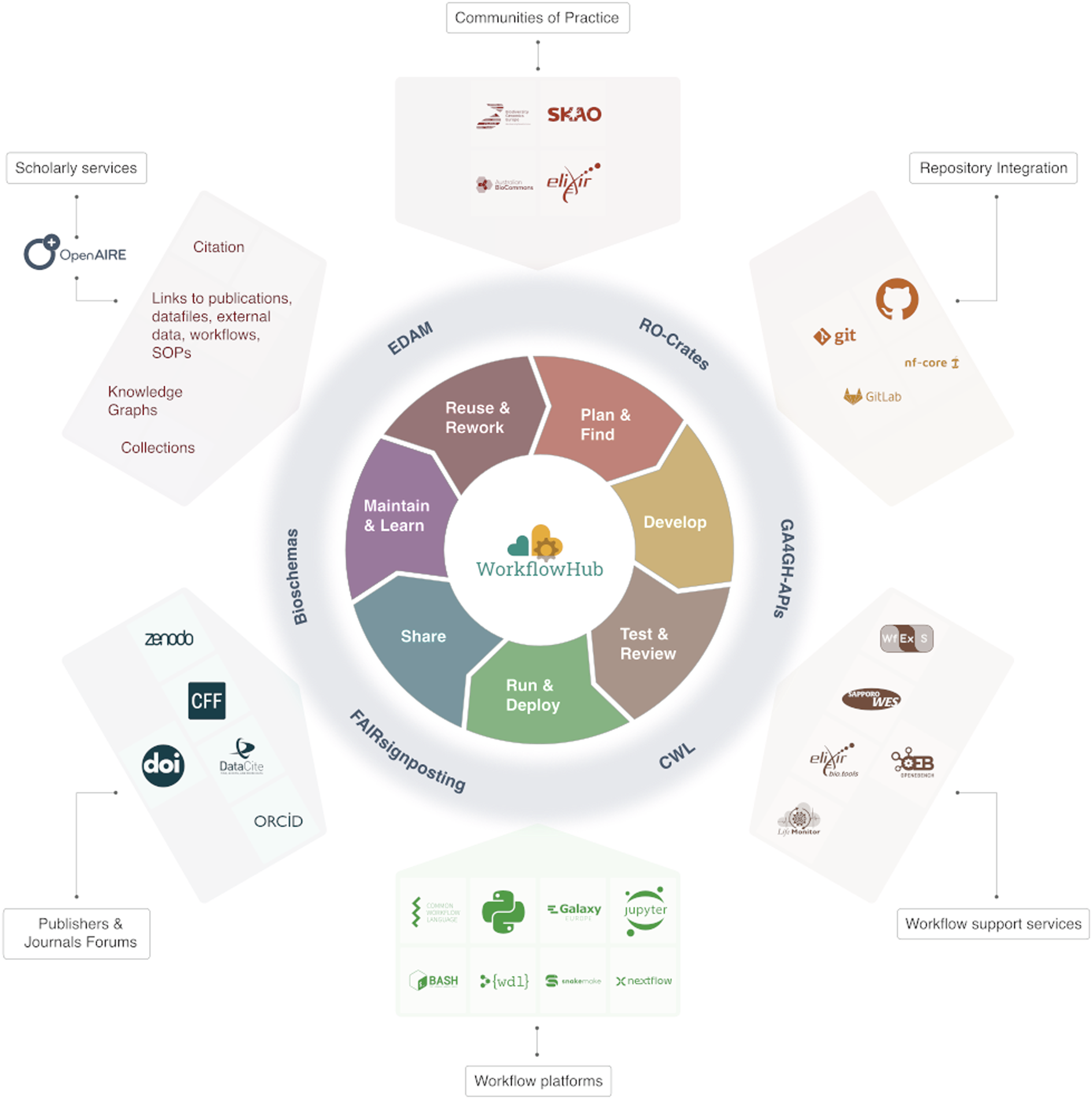
Writing a thesis is one of the most demanding academic tasks for undergraduate, master’s, and PhD students. From organizing research materials to tracking references, deadlines, and drafts, the process can quickly become overwhelming. This is where thesis writing management tools come in.
These digital platforms help students manage research projects, organize ideas, track citations, and streamline the entire writing workflow. Whether you are working on a doctoral dissertation, master’s thesis, or research project, using the right thesis management software can significantly improve productivity and reduce stress.
In this comprehensive guide, we will explore the best thesis writing management tools, their features, benefits, and how they help students complete academic projects more efficiently.
What Are Thesis Writing Management Tools?
Thesis writing management tools are digital platforms designed to help students and researchers organize, plan, and complete their academic writing projects.
These tools combine several functions such as:
Research organization
Citation management
Task tracking
Writing workflow management
Collaboration tools
Document storage
Academic reference management
Instead of juggling multiple apps, these platforms allow students to manage their entire thesis writing process in one place.
Why Thesis Writing Management Tools Are Important
Completing a thesis involves multiple stages including:
Topic selection
Literature review
Research data collection
Data analysis
Writing chapters
Editing and formatting
Submission preparation
Without proper organization, students often struggle with:
Missed deadlines
Lost references
Poor research organization
Unstructured writing workflow
Using thesis writing management tools helps prevent these problems and ensures a smoother academic writing journey.
Key Features of Effective Thesis Writing Management Tools
1. Research Organization
A strong thesis management tool allows users to store and categorize research materials such as:
PDFs
Journal articles
Research notes
Web sources
Interview transcripts
This ensures all research resources are easily accessible during the writing process.
2. Citation and Reference Management
Proper citation is essential in academic writing.
Good thesis management software integrates citation tools that support formats like:
APA
MLA
Harvard
Chicago
IEEE
These tools automatically generate bibliographies and citations, saving hours of manual work.
3. Writing Workflow Planning
Many thesis writing tools allow students to structure their project into chapters such as:
Introduction
Literature Review
Methodology
Results
Discussion
Conclusion
This structured approach helps students stay organized and track progress effectively.
4. Task and Deadline Tracking
One of the biggest challenges in thesis writing is managing deadlines.
Thesis writing management tools include:
Task planners
Writing schedules
Deadline reminders
Progress tracking dashboards
These features help students stay on schedule throughout the research process.
5. Collaboration With Supervisors
Many modern academic tools allow collaboration between:
Students
Supervisors
Research assistants
Co-authors
Collaboration features often include:
Shared documents
Commenting tools
Version history
Real-time editing
6. Note-Taking and Idea Organization
During research, students collect numerous ideas and insights.
Thesis management tools offer:
Digital notebooks
Research annotations
Idea boards
Tagging systems
These help researchers organize ideas and convert them into structured academic writing.
Benefits of Using Thesis Writing Management Tools
Improved Productivity
Students can manage research, writing, and citations in one platform, reducing time spent switching between tools.
Better Research Organization
All research materials remain structured and easily accessible throughout the project.
Reduced Stress
Clear project timelines and progress tracking reduce the anxiety associated with thesis deadlines.
Higher Quality Academic Work
With organized research and accurate citations, students produce better academic writing.
Faster Thesis Completion
Efficient workflows allow students to complete their thesis faster without compromising quality.
Types of Thesis Writing Management Tools
Different tools support various aspects of the thesis writing process.
1. Reference Management Tools
These tools focus on organizing citations and bibliographies.
Popular features include:
PDF storage
Citation generation
Literature review organization
Examples include citation managers used widely by researchers.
2. Writing Organization Tools
These tools help structure thesis chapters and writing workflows.
They provide:
Document outlining
Writing progress tracking
Chapter organization
These tools are ideal for long academic documents like dissertations.
3. Research Note Management Tools
Research note tools help students collect ideas, quotes, and summaries from literature.
Features often include:
Highlighting
Tagging
Cross-linking research notes
This makes literature reviews much easier to manage.
4. Project Management Tools for Research
These tools focus on planning and tracking research tasks.
Features include:
Task boards
Timeline planning
Milestone tracking
Team collaboration
They are particularly useful for complex PhD research projects.
How Thesis Writing Tools Improve Dissertation Workflow
Using thesis management tools creates a streamlined workflow that looks like this:
Step 1: Topic Planning
Students outline the research topic and thesis objectives.
Step 2: Literature Review Organization
All research papers, articles, and notes are stored and categorized.
Step 3: Research Data Management
Collected data and findings are organized in structured folders.
Step 4: Chapter Writing
Students write thesis chapters using structured outlines.
Step 5: Citation Management
References are automatically generated and formatted.
Step 6: Editing and Revision
Supervisors and peers review drafts through collaborative features.
Step 7: Final Submission Preparation
The thesis is formatted and prepared for submission.
Best Practices for Using Thesis Writing Management Tools
To maximize productivity, students should follow these best practices.
Create a Thesis Timeline
Break your thesis project into smaller milestones such as:
Literature review completion
Methodology development
Data collection
First draft writing
Final editing
Organize Research From Day One
Start organizing research materials as soon as you begin your thesis project.
Waiting until later stages can lead to confusion and lost references.
Use Tags and Categories
Categorizing research papers and notes improves retrieval and organization.
Example tags may include:
Literature review
Methodology
Key theories
Case studies
Regularly Back Up Your Work
Always ensure your thesis data is backed up in cloud storage or external drives.
Many thesis writing tools offer automatic backups.
Thesis Writing Management Tools for PhD Students
PhD students often work on research projects for several years.
Advanced thesis management tools provide features like:
Long-term research tracking
Multi-document organization
Cross-referenced notes
Supervisor collaboration
Advanced citation management
These features make them ideal for complex doctoral research.
Thesis Writing Management Tools for Master’s Students
Master’s students typically have shorter timelines but still benefit greatly from thesis management tools.
These tools help with:
Efficient literature reviews
Organized research data
Structured thesis writing
Accurate citations
This improves academic writing quality and speeds up project completion.
Choosing the Right Thesis Writing Management Tool
When selecting a thesis management tool, consider the following factors.
Ease of Use
Choose software with a simple and intuitive interface.
Academic Features
Ensure the tool supports:
Citation management
Literature review organization
Writing workflows
Collaboration Options
If you work with supervisors or co-authors, collaboration features are essential.
Cloud Access
Cloud-based tools allow you to access your thesis from anywhere.
Integration With Academic Databases
Some tools integrate directly with academic journals and research libraries.
Future of Thesis Writing Management Tools
Academic writing technology continues to evolve.
Future thesis management tools may include:
AI-assisted literature review
Automated research summaries
Intelligent citation suggestions
Academic plagiarism detection
Smart writing assistants
These innovations will further simplify the thesis writing process.
Conclusion
Completing a thesis is a complex academic journey that requires careful planning, organization, and dedication. Using thesis writing management tools helps students streamline research workflows, organize references, and manage writing tasks effectively.
Whether you are a master’s student, PhD candidate, or academic researcher, the right thesis management software can dramatically improve productivity, reduce stress, and help you complete your research project successfully.