Academic Research Workflow Software: The Complete Guide for Efficient Research Management

Academic research involves multiple stages—literature review, data collection, analysis, writing, and collaboration. Managing all these steps manually can be overwhelming for researchers, PhD students, and academic teams. This is where academic research workflow software becomes essential.
Academic research workflow software helps scholars organize research tasks, manage references, collaborate with co-authors, track project milestones, and streamline the entire research lifecycle. In today’s fast-paced academic environment, using digital tools to manage research workflows significantly improves productivity, accuracy, and research quality.
This comprehensive guide explores the benefits, features, and best practices of using academic research workflow software to manage research projects efficiently.
What Is Academic Research Workflow Software?
Academic research workflow software is a digital platform designed to help researchers plan, organize, track, and complete research projects. It integrates tools for:
Research planning
Literature management
Data organization
Collaboration
Writing and editing
Citation management
Instead of managing research tasks across multiple disconnected tools, workflow software centralizes everything into one structured system.
Researchers—from undergraduate students to professional academics—use workflow software to maintain efficiency and avoid losing critical information during long-term research projects.
Why Researchers Need Workflow Management Software
1. Organizing Complex Research Projects
Academic projects often involve hundreds of articles, datasets, notes, and drafts. Workflow software organizes everything into structured folders and project timelines.
Benefits include:
Clear research roadmaps
Organized notes and sources
Better tracking of research progress
2. Improving Collaboration Among Research Teams
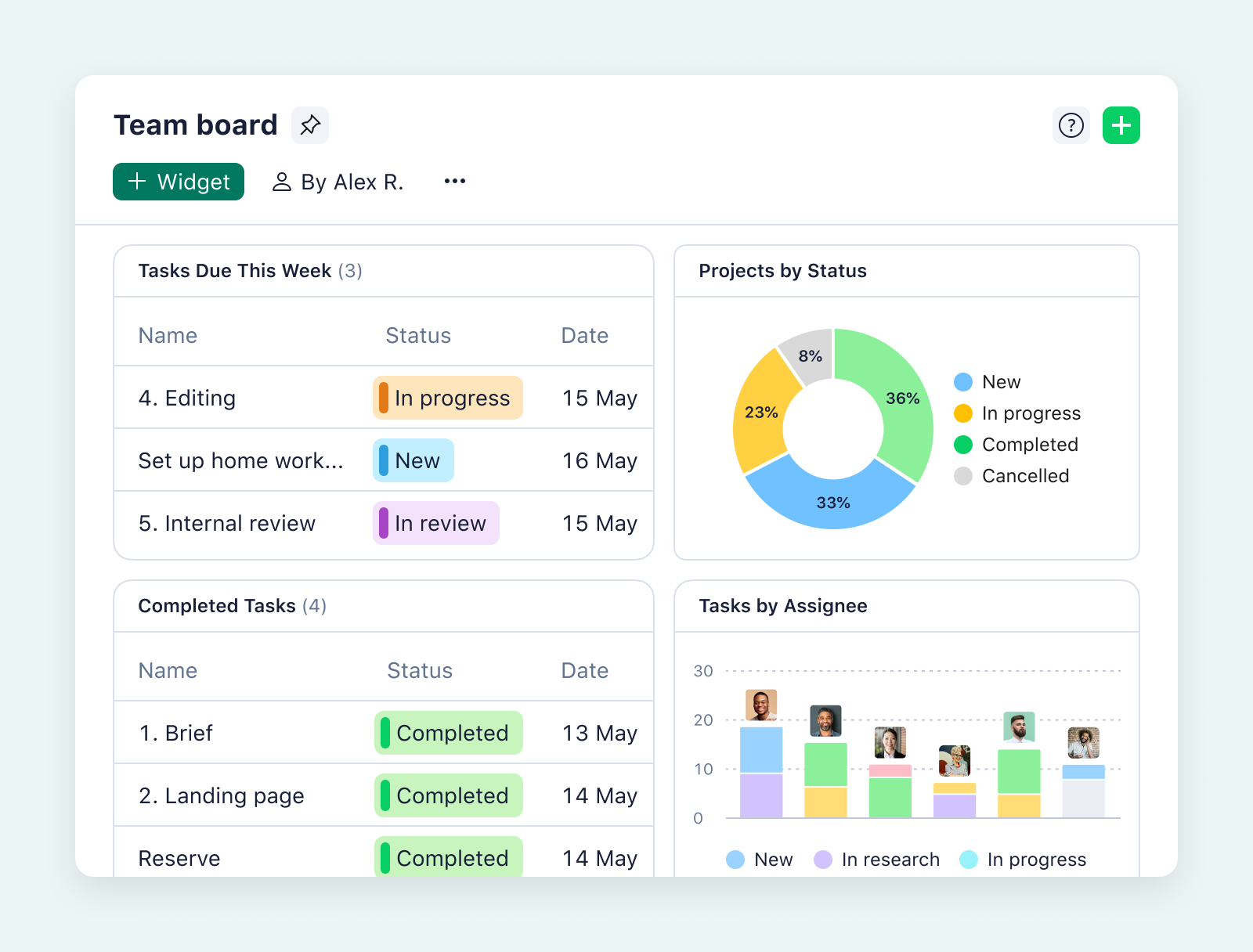
Many academic projects involve collaboration among multiple researchers. Workflow software makes it easier to share resources, track contributions, and coordinate tasks.
Key collaboration benefits include:
Shared document editing
Real-time project updates
Task assignment for research assistants
Version control for manuscripts
3. Enhancing Productivity and Time Management
Researchers frequently struggle with time management due to multiple responsibilities like teaching, publishing, and grant writing.
Academic workflow software helps by:
Setting deadlines
Automating reminders
Prioritizing tasks
Visualizing project timelines
4. Preventing Research Data Loss
Research data is valuable and must be securely stored. Workflow software offers:
Cloud storage
Automatic backups
Document version history
These features protect research files from accidental deletion or hardware failure.
Key Features of Academic Research Workflow Software

Not all workflow software is designed specifically for academic research. The best tools provide features tailored to scholarly work.
1. Literature Management
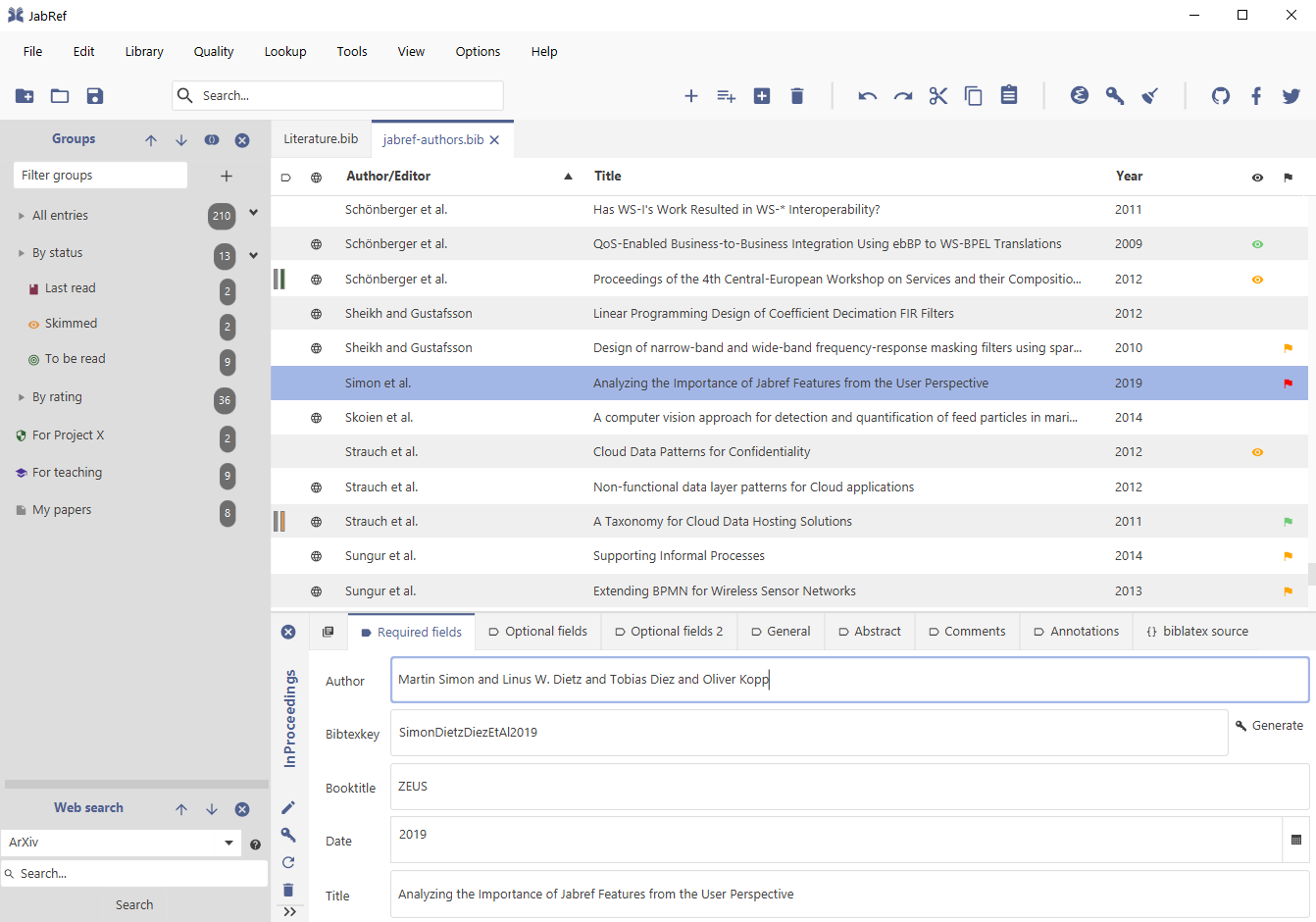
Literature review is one of the most time-consuming research stages. Good workflow software allows researchers to:
Import academic papers
Organize articles into folders
Highlight and annotate PDFs
Track key references
This ensures that important literature remains accessible throughout the project.
2. Research Planning and Task Management
Effective research requires careful planning. Workflow tools allow researchers to:
Break projects into manageable tasks
Assign deadlines
Track milestones
Monitor project completion progress
Many systems use Kanban boards or timeline views for visual planning.
3. Data Organization
Researchers collect large amounts of data during studies. Workflow software helps structure datasets by allowing users to:
Categorize data files
Add descriptive metadata
Track experiment results
Link data to research notes
4. Writing and Document Management
Writing research papers involves multiple drafts and revisions. Workflow tools simplify this process by enabling:
Collaborative editing
Draft version control
Centralized document storage
Integrated citation management
5. Citation and Reference Integration
Citation management is essential in academic writing. Workflow software can integrate with citation tools to:
Generate bibliographies automatically
Insert citations in different formats
Organize references by project
This reduces formatting errors in research papers.
Benefits of Using Academic Research Workflow Software
Increased Research Efficiency
Researchers spend less time searching for documents or managing tasks and more time analyzing data and writing publications.
Improved Research Organization
Workflow tools ensure that:
Research materials are well categorized
Notes are easily searchable
Documents are systematically stored
Better Collaboration
Collaborative research becomes more efficient because:
All team members can access shared resources
Updates are visible in real time
Tasks can be assigned and monitored easily
Higher Quality Research Output
When research workflows are organized, scholars can focus more on critical thinking, analysis, and writing—leading to stronger publications.
Who Should Use Academic Research Workflow Software?

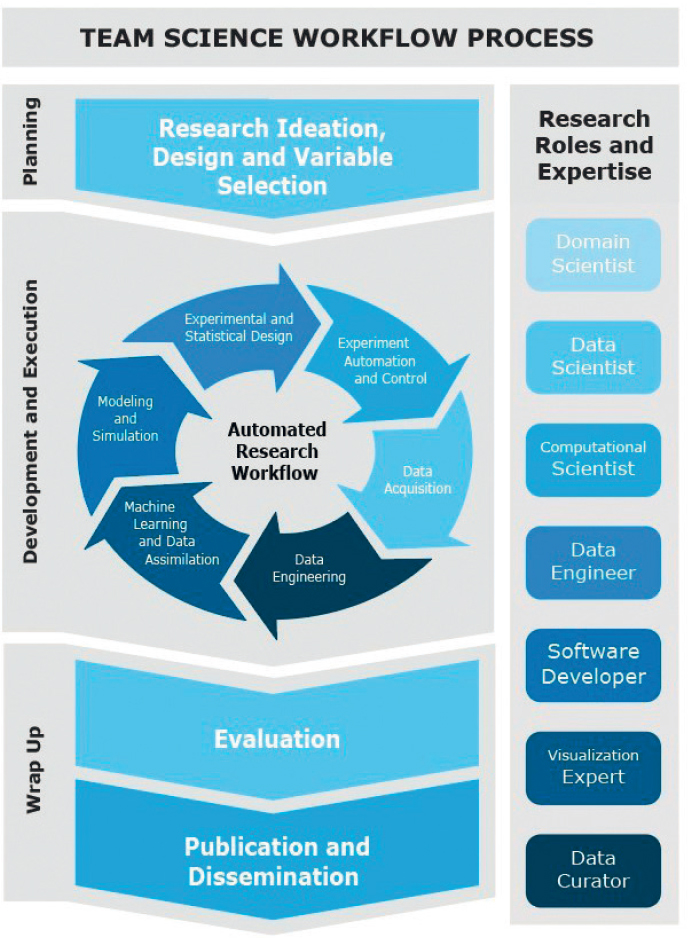

Academic workflow software is useful for various types of researchers.
PhD Students
Doctoral research involves complex planning, literature reviews, and dissertation writing. Workflow software helps PhD students:
Track thesis progress
Manage literature sources
Organize research notes
Graduate and Undergraduate Students
Students writing research papers or theses can benefit from structured research management systems.
Academic Researchers
Professional researchers working on multiple projects can use workflow software to coordinate research teams and manage publications.
Research Institutions
Universities and research labs can implement workflow software to improve research collaboration and data management.
Best Practices for Implementing Research Workflow Software
Create a Structured Research Plan
Before using workflow software, researchers should outline the research stages, including literature review, data collection, analysis, and writing.
Organize Research Materials Early
Upload research papers, datasets, and notes at the beginning of the project. Early organization saves time later.
Use Consistent File Naming
Using consistent naming conventions helps researchers quickly locate files and documents.
Example:
Literature_Review_Notes
Survey_Data_2026
Dissertation_Draft_v2
Schedule Regular Research Reviews
Weekly or monthly reviews help researchers evaluate progress and update research tasks.
Train Research Team Members
When multiple collaborators use workflow software, it is important to ensure that everyone understands the system and follows consistent processes.
Challenges of Managing Research Without Workflow Software
Without proper workflow tools, researchers may face several challenges:
Lost or disorganized research data
Difficulty tracking project progress
Poor collaboration among research teams
Increased stress during manuscript preparation
Academic research workflow software eliminates these issues by creating a structured digital environment for managing research.
The Future of Academic Research Workflow Tools
Research technology is evolving rapidly. Future academic workflow software will likely include:
Artificial intelligence for literature discovery
Automated research summaries
Advanced collaboration tools
Integrated data analysis platforms
Research impact tracking
These innovations will further simplify complex research processes and help scholars produce impactful work faster.
Conclusion
Academic research involves complex workflows that require careful organization, planning, and collaboration. Academic research workflow software provides a powerful solution for managing every stage of the research process—from literature review to final publication.
By using digital workflow tools, researchers can:
Improve productivity
Organize research materials efficiently
Collaborate with teams effectively
Produce higher-quality academic work
As research becomes increasingly digital and collaborative, adopting academic workflow software is no longer optional—it is essential for modern researchers aiming to manage projects successfully and achieve academic excellence.