Dissertation Planning Software: The Ultimate Guide for Academic Success
In today’s fast-paced academic environment, managing a dissertation efficiently is crucial for success. Dissertation planning software has emerged as a powerful solution for students and researchers to organize, schedule, and streamline the complex process of dissertation writing. From outlining chapters to tracking deadlines, these tools provide a structured approach that ensures timely completion and high-quality output.
What is Dissertation Planning Software?
Dissertation planning software is a digital tool designed to help researchers and students manage the multifaceted process of writing a dissertation. It integrates features such as:
Task management and scheduling
Research organization and reference management
Progress tracking and deadline reminders
Collaboration tools for advisors or team members
Unlike generic productivity apps, dissertation planning software is tailored specifically for the needs of academic writing, combining project management, research organization, and writing guidance in one platform.
Key Benefits of Using Dissertation Planning Software
1. Efficient Time Management
Managing a dissertation involves juggling multiple tasks—literature review, data collection, analysis, and writing. Dissertation planning software allows students to set milestones, allocate time to each task, and receive reminders for upcoming deadlines. This structured approach minimizes procrastination and ensures steady progress.
2. Organized Research Materials
Most software platforms include features for storing, categorizing, and citing sources. You can save PDFs, notes, and references in one place, making it easy to retrieve relevant information during writing. This reduces the risk of losing crucial research materials.
3. Streamlined Writing Process
Dissertation planning software often includes templates and chapter outlines to guide your writing. Some tools even allow you to draft directly in the software, integrating reference management, editing, and formatting into one workflow.
4. Collaboration and Feedback
Many platforms support collaboration with advisors or peers. Comments, suggestions, and real-time updates enhance communication, ensuring feedback is received and applied efficiently.
5. Progress Tracking and Motivation
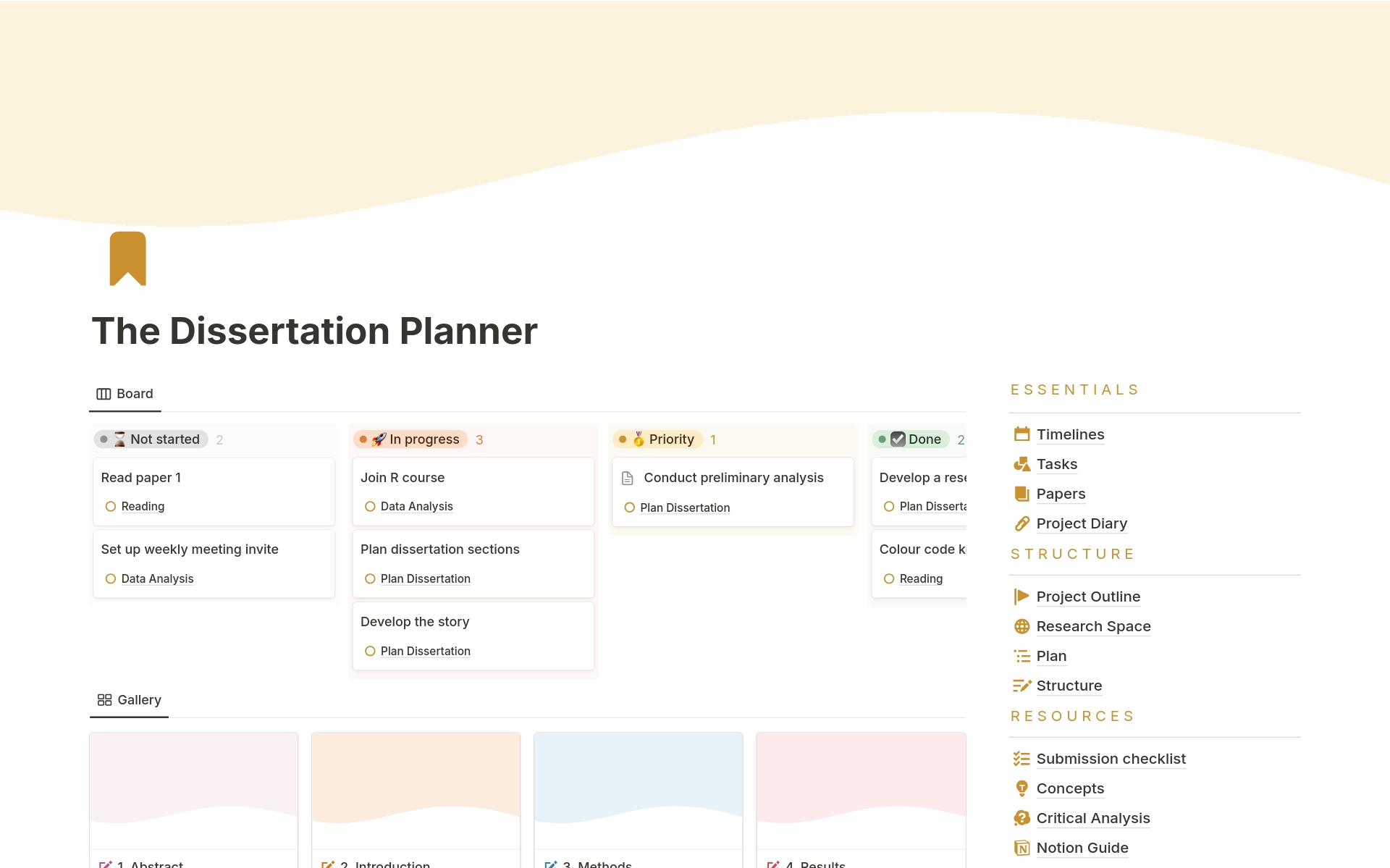
Visual dashboards, progress bars, and task completion stats provide motivation by showing tangible progress. Tracking your dissertation step-by-step helps reduce stress and keeps you accountable.
Features to Look for in Dissertation Planning Software
When selecting dissertation planning software, consider the following essential features:
Task and Milestone Management
Look for software that allows you to create tasks, set deadlines, and track progress toward completion.Research Organization Tools
Integrated reference managers, note-taking capabilities, and document storage streamline research.Writing Assistance
Templates, outlines, and formatting tools ensure consistency and adherence to academic standards.Collaboration Features
Commenting, version control, and shared access allow smooth collaboration with advisors or peers.Integration with Other Tools
Software that integrates with citation managers (like EndNote or Zotero), cloud storage, and document editors boosts efficiency.Customizable Dashboards
Personalized dashboards help you visualize tasks, deadlines, and progress in a format that works for you.
Top Dissertation Planning Software Tools
While the market offers numerous options, some software platforms stand out for their features and user experience.
1. Scrivener
A powerful writing and project management tool, Scrivener allows you to organize chapters, research notes, and references all in one place. Its intuitive interface and split-screen features make drafting and revising more efficient.
2. Trello
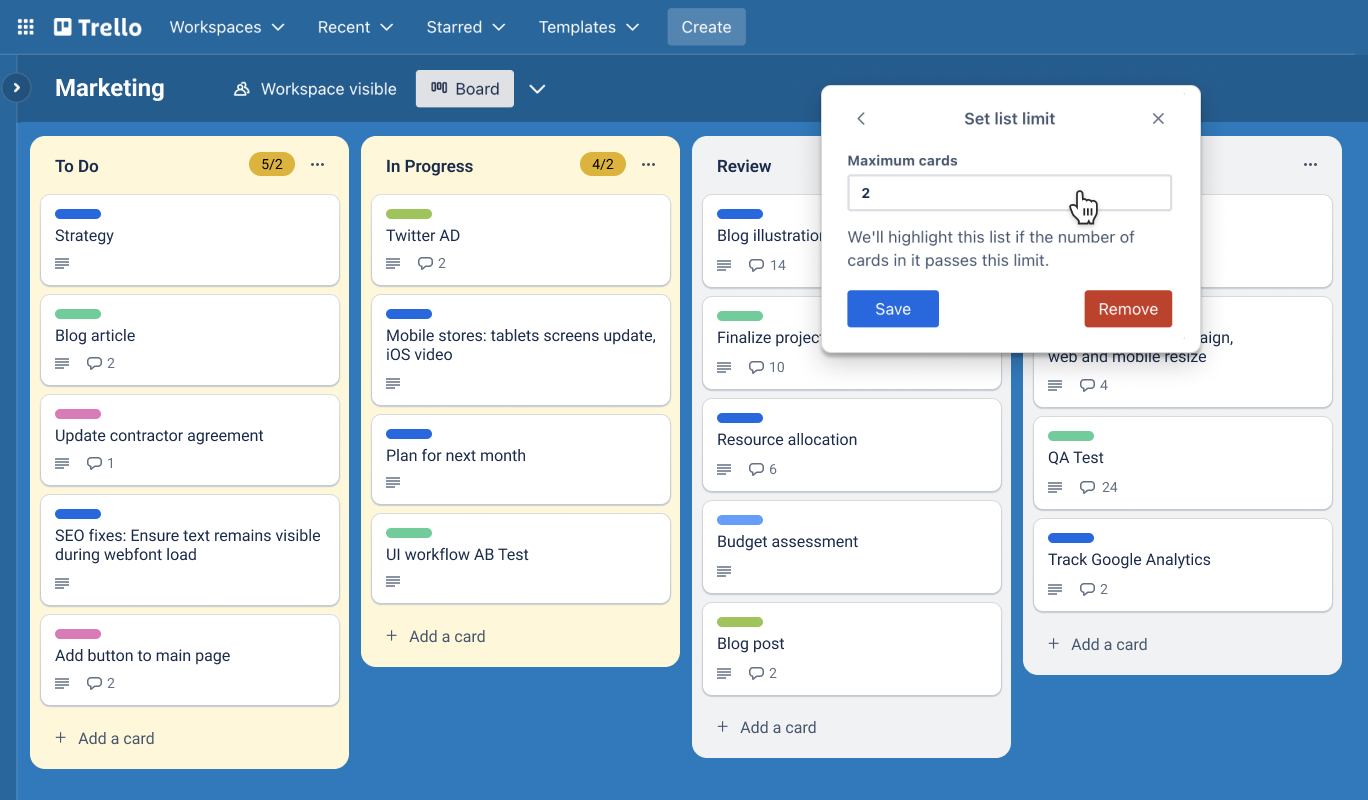
Although not specific to academic writing, Trello’s Kanban-style boards are excellent for managing tasks and milestones. It’s particularly useful for breaking down large projects into manageable steps.
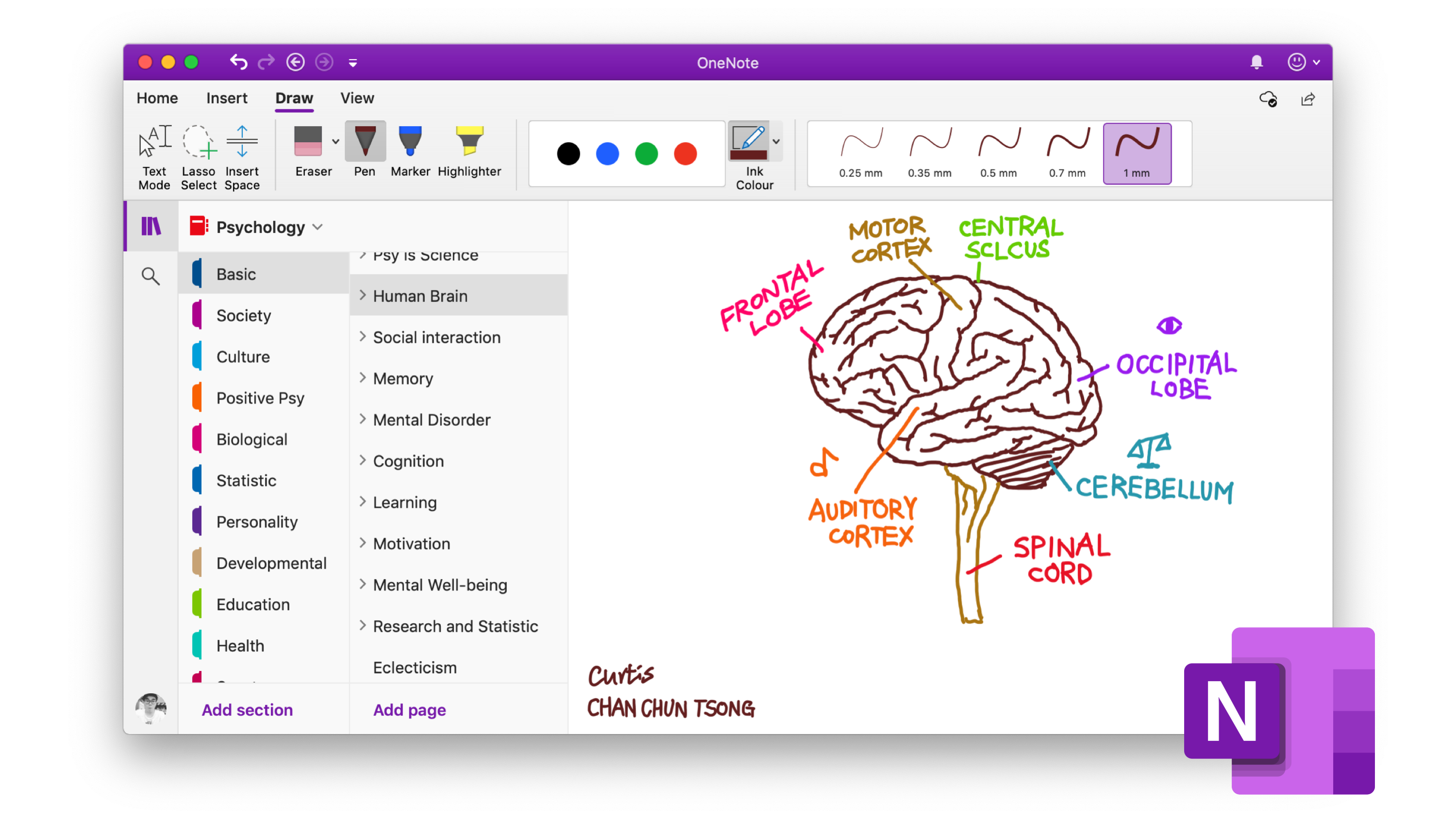
3. Microsoft OneNote
OneNote is perfect for collecting research notes, web clippings, and multimedia resources. It’s easy to categorize and tag content, making retrieval fast and simple.
4. Citavi
Designed specifically for academic research, Citavi combines reference management, task planning, and knowledge organization. It’s a comprehensive solution for students dealing with complex dissertations.
5. DissertationFlow
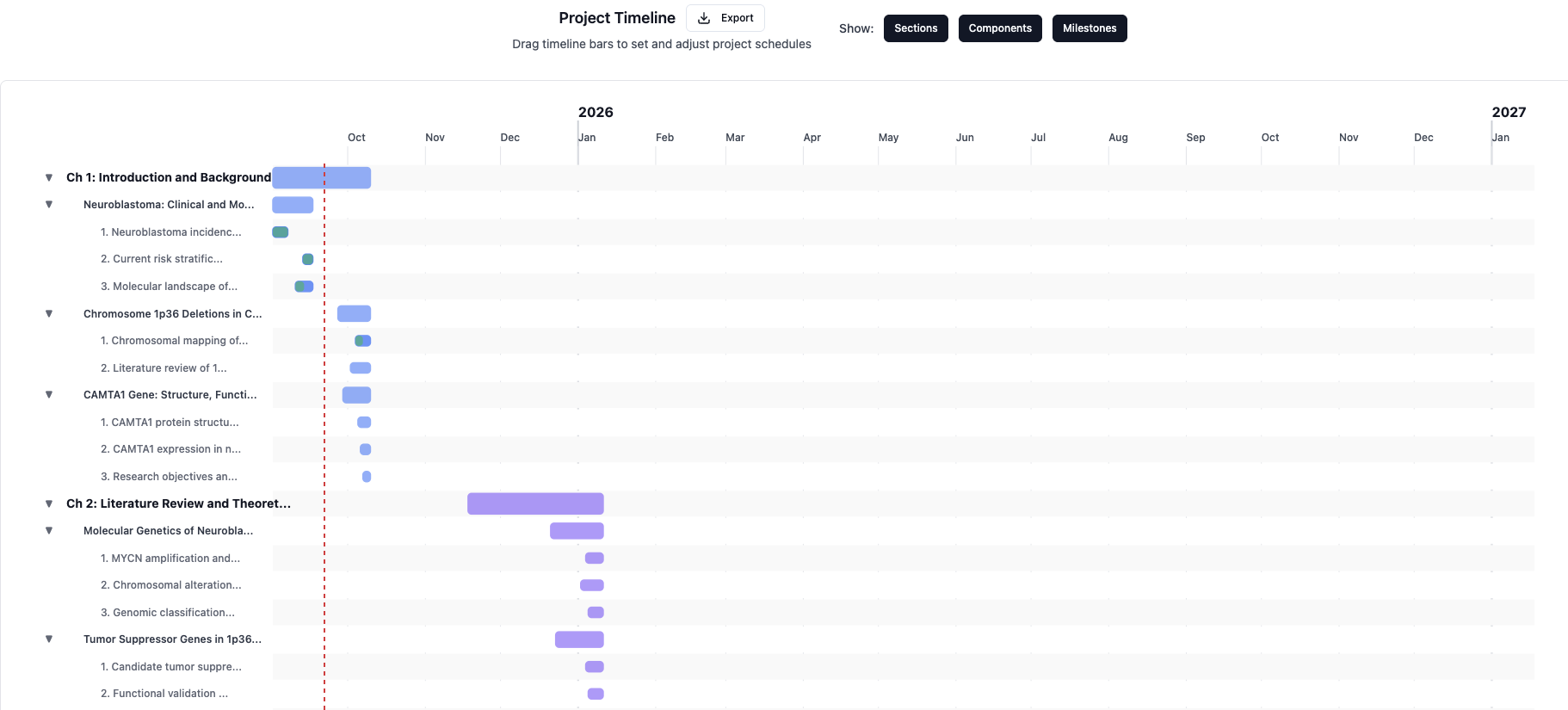
A specialized tool for dissertation planning, DissertationFlow offers a structured approach from proposal to final submission. Features include timeline planning, milestone tracking, and integration with popular word processors.

How Dissertation Planning Software Enhances Productivity
Dissertation planning software transforms the writing process by breaking it into manageable steps:
Goal Setting: Define clear objectives for each chapter or section.
Timeline Management: Set realistic deadlines for drafts and revisions.
Automated Reminders: Stay on track with alerts and notifications.
Progress Visualization: Track completion percentages for each task, ensuring momentum is maintained.
This structured workflow minimizes stress, reduces last-minute panic, and significantly increases the chances of timely submission.
Tips for Maximizing the Benefits of Dissertation Planning Software
Start Early: Begin using the software from the proposal stage to map out your dissertation journey.
Customize Your Workflow: Tailor the software’s features to your personal writing style and academic requirements.
Integrate Reference Management: Link the software with citation tools for automatic formatting.
Use Collaboration Features Wisely: Regularly update advisors and team members for constructive feedback.
Review and Adjust: Periodically check your progress and adjust deadlines or tasks as needed.
By following these tips, students can turn dissertation planning software into a personal productivity powerhouse.
Common Challenges and How to Overcome Them
While dissertation planning software offers numerous advantages, users may face challenges:
Steep Learning Curve: Some platforms have complex interfaces. Solution: Start with basic features and gradually explore advanced tools.
Over-Reliance on Software: Relying solely on digital tools may reduce personal time management skills. Solution: Balance software use with traditional planning methods like journals or checklists.
Integration Issues: Certain software may not sync with your preferred word processor. Solution: Choose tools that offer compatibility or export options.
Future of Dissertation Planning Software
The future of dissertation planning software is promising, with trends pointing toward:
AI-Assisted Writing: Tools that suggest structure, content improvements, or even generate preliminary drafts.
Cloud-Based Collaboration: Seamless real-time updates between students, advisors, and co-researchers.
Enhanced Analytics: Insights into productivity patterns, optimal writing times, and task efficiency.
Students who adopt these innovations early will enjoy smoother, faster, and more efficient dissertation workflows.
Conclusion
In the modern academic landscape, dissertation planning software is no longer a luxury—it’s a necessity. By streamlining research, writing, and project management, these tools empower students to produce high-quality dissertations on time. Whether you are a first-time researcher or a seasoned academic, investing in reliable planning software can transform your dissertation journey from overwhelming to manageable and successful.
Embrace technology, plan strategically, and watch your dissertation process become more organized, productive, and stress-free.